Artificial intelligence, in plain words.
No language model reads words. It reads tokens — fragments of text with a number attached. Understand that one thing and the rest starts falling into place.
What is artificial intelligence?
This is what the sentence looks like when a machine reads it. Each piece is one token.
Why token?
Because it is the smallest unit artificial intelligence works with — and the word “token” is itself exactly one token. Number 10346. That is where the name comes from, and where we start.
Measured in o200k_base, the encoding GPT-4o and GPT-5 use.
Estonian costs more in AI
The same meaning, three languages. The machine sees them at very different lengths — and tokens are what you pay for.
The same content takes roughly one and a half times more tokens in Estonian than in English. That means a higher API bill and a context window that fills up sooner.
Latest articles

AI for a small business: 7 things you can do today
No strategy project, no new software. Seven places where AI genuinely saves a small company time — and one where it does not.

Estonian costs more in AI — and here is the proof
The same meaning, three languages, three very different bills. We measured it ourselves: Estonian burns about 1.44 times more tokens than English.
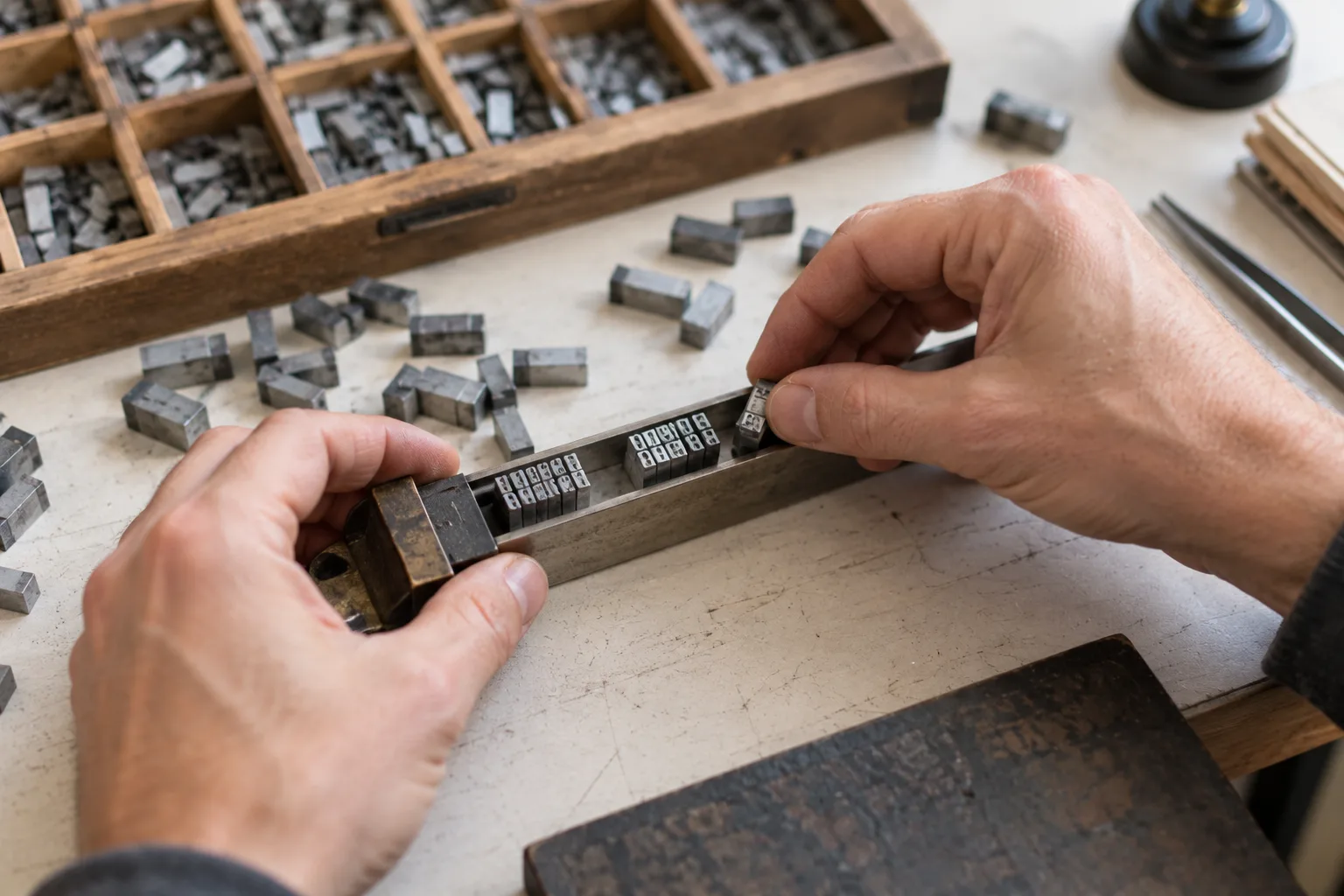
What is a token? The most important idea in AI, explained plainly
Before you understand artificial intelligence, you need to understand the token. It is the one idea that governs price, memory, and why AI sometimes behaves oddly.
The terms that actually cause confusion
Every term explained in one sentence you could repeat to somebody else. No circular definitions.
We do not talk about AI. We build it.
The same knowledge we give away on this blog, applied to your processes, your data and your systems. Five directions, each available on its own.
Where do you want to start?
ChatGPT
The best-known AI chatbot in the world: how to use it in Estonian, what the free version can do, and when paying is worth it.
Claude
Anthropic's language model, valued for long documents and code. How it differs from ChatGPT and who it suits.
Prompting
How to ask so the answer is usable. Examples, patterns and the mistakes almost everyone makes first.
AI in business
Where AI genuinely saves a company time or money, and where it does not. Without the promises and without the hype.
Security and privacy
What happens to the data you hand an AI. GDPR, the AI Act, prompt injection and common sense.
Image generators
How a machine makes a picture, what you are allowed to do with it, and where copyright draws the line.
Video generators
Sora, Veo, Runway and the rest: what a machine can do with video today, what it still cannot, and where the legal limits sit.
Voice generators
Text to speech, voice cloning and dubbing — including what actually works for smaller languages like Estonian.
Vibecoding
Writing software by conversation. Where it genuinely works, where it quietly builds technical debt, and what you still have to know yourself.
Short answers
Do I need to understand AI in order to use it?
No. But knowing how it works makes you ask better and spot a wrong answer faster. Most disappointment with AI comes from wrong expectations rather than a bad tool.
What is a token, in one sentence?
A token is a piece of text — usually a word, part of a word, or a punctuation mark — that a language model turns into a number so it can compute with it.
Does ChatGPT speak Estonian?
Yes, and increasingly well. Estonian is simply more expensive for the machine: the same meaning costs more tokens than English, so you reach the limits sooner.
Does my data stay inside the AI?
It depends on the service and the settings. Free consumer versions often use conversations for training; business accounts usually do not. Sensitive information should never be pasted in blindly.