Articles
AI voice: synthetic speech, cloning, and smaller languages
A machine can read text aloud so it sounds human — and can imitate a specific person's voice. What you may do with that, and what you may not.
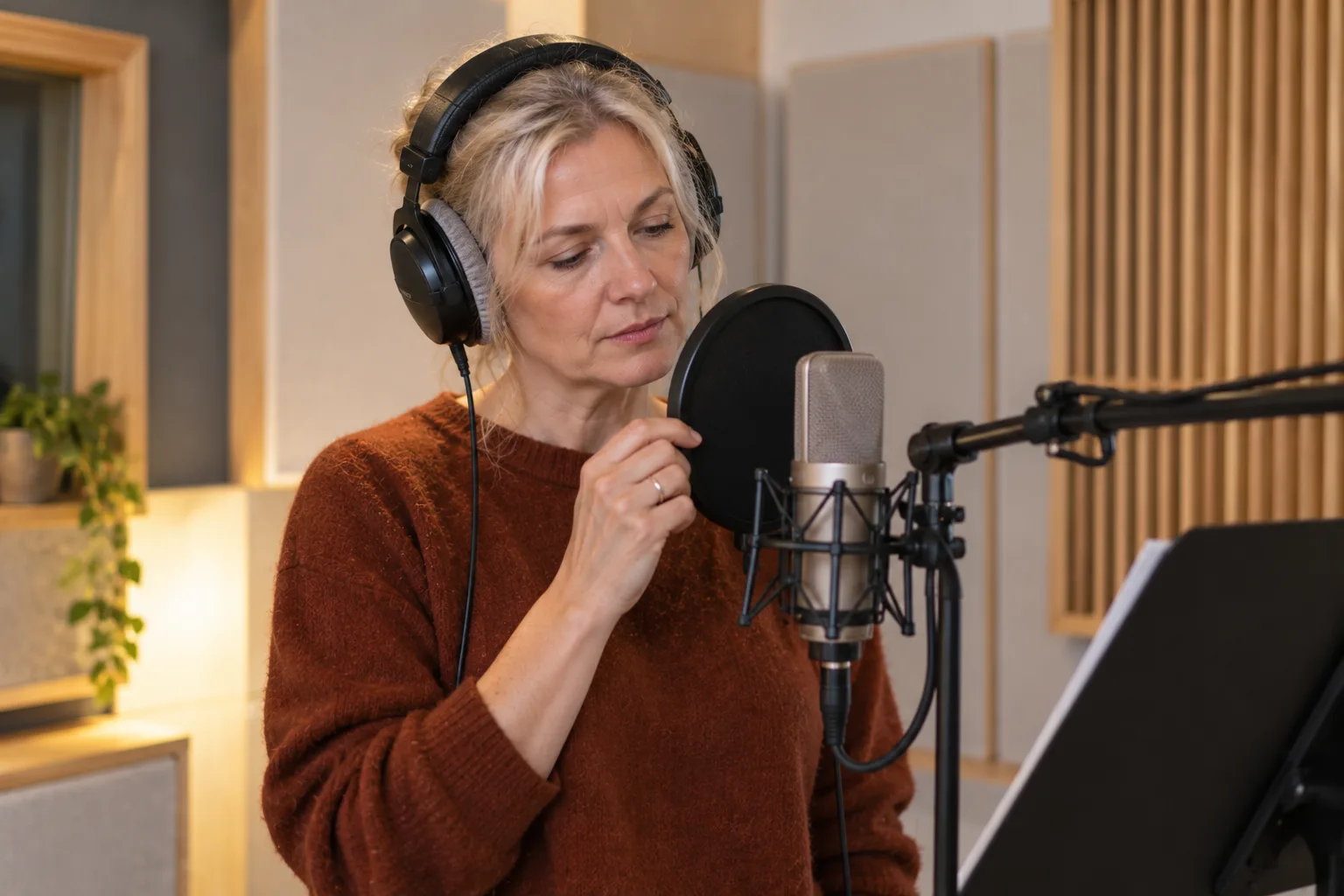
Synthetic speech is not new. What is new is that it no longer sounds synthetic.
Two different things#
Text to speech. You give text, you get audio. The voice belongs to the model and you pick it from a catalogue.
Voice cloning. You give a recording of a specific voice, the model learns it, and reads your text in that voice. Some services need hours of material; some need seconds.
The first is a tool. The second is a tool you can also lie with.
How well does it handle a smaller language?#
Better than before and worse than English. The larger services support languages like Estonian, but quality is less even: intonation drifts in long sentences, foreign names are mispronounced, and stress sometimes lands on the wrong syllable.
Short sentences work better than long ones. Text written for speech — short sentences, clear punctuation — produces a noticeably better result.
With a smaller language, always listen before assuming.
Where it is genuinely useful#
- Reading training material and documentation aloud
- A podcast draft before the real recording
- Accessibility: making content listenable
- Prototypes and demos where a real voice actor would be too expensive
- Video voiceover when the script keeps changing
Where it is not#
Anywhere the voice carries trust. Customer service pretending to be a person. Marketing using a recognisable voice. Anything where the listener assumes there is a human on the other end.
Legal and ethical#
A voice is personal data. Cloning a specific person's voice without consent is not a grey area — it is clearly wrong and illegal in many jurisdictions.
Consent has to be specific. "They let us record them" does not mean "they let us generate their voice indefinitely".
Labelling. The EU AI Act requires AI-generated audio to be labelled where it could mislead.
The fraud risk is real. Voice cloning is actively used in scams — the "relative in trouble" call is a common pattern. If your company confirms anything by phone, a voice is no longer sufficient identification.
The practical rule#
Your text, the model's voice — generally fine. Somebody else's voice without written consent — do not.