Articles
AI video generators: what a machine can actually do today
Sora, Veo, Runway. What genuinely works, what is still a demo, where the legal lines sit, and when it is worth using at all.
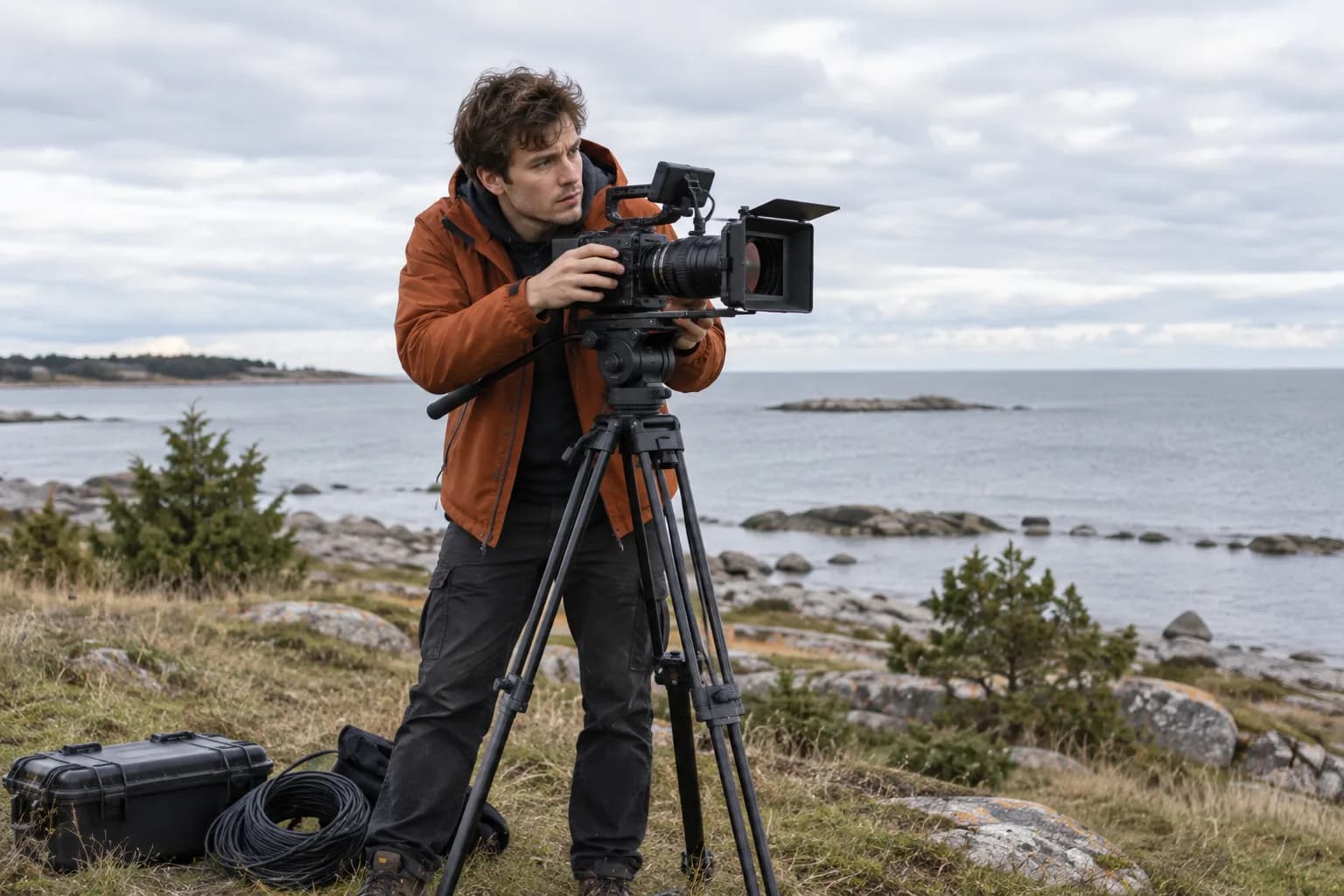
Two years ago AI video was funny. Today it is sometimes indistinguishable — and still sometimes funny. The difference is whether you know where the line falls.
What works today#
Short clips. Five to twenty seconds is the current comfort zone. Longer gets unstable.
Generic scenes. Landscape, cityscape, abstraction, atmosphere. Anything where the viewer does not already know exactly what it should look like.
Stylised content. Animation and stylised aesthetics work better than photorealism, because the eye is more forgiving of them.
B-roll and backgrounds. The filler material you used to buy from a stock library.
What does not work#
Consistency. The same person looks different across two clips. This is currently the largest practical obstacle to narrative content.
Hands, text, reflections. The same problems as image generators, only more visible in motion.
Physics. Liquids, cloth, collisions. The machine knows what things look like, not how they behave.
Precise control. "The camera moves slowly right and settles on the face" — you get something close, not exactly that.
What it costs#
More than images, less than filming. Most services sell credits; a second of video costs many times what an image does. Experimenting is expensive, because bad results are frequent and every attempt is billed.
Budget five to twenty attempts to get one usable clip.
The legal side#
The same three questions as images, only more serious, because video usually contains people.
Training data is contested. Ownership of the output is unclear. Using a person's face or voice without consent is a separate and far more serious problem — that is not copyright, it is personality rights.
In the European Union, AI-generated content also has to be labelled where it could mislead.
When to use it#
Use it where video is illustration: backgrounds, atmosphere, showing a concept, an internal prototype before a real shoot.
Do not use it where video is evidence: product demos, real people, anything claiming that this is how it was.